


Nationally Recognized E. coli & HUS Attorneys
E. coli Lawyer
If E. coli made you or your child seriously ill, our attorneys can help investigate whether contaminated food was responsible. We handle E. coli and HUS claims, including cases involving kidney damage. You can ask for a review without knowing the food source or having every test result. The consultation is free, and you pay us nothing unless we win.
Were You Affected?
Answer these quick questions to organize the facts for a free attorney review. This form is not legal advice and does not predict an outcome.
Years of Experience
Upfront Cost
Were you diagnosed with E. coli by a doctor or through a lab test?
A positive stool culture or lab test significantly strengthens your case.
Did you require medical treatment, hospitalization, or ongoing care?
Medical documentation is crucial evidence for your claim.
Can you identify where you likely ate the contaminated food?
Receipts, photos, or linking to a known outbreak helps establish liability.
Were you contacted by the health department about your illness?
Health department contact often indicates a confirmed outbreak investigation.
Prefer to speak with someone?
1-888-335-4901Medical Overview
E. coli Food Poisoning: What You Need to Know
If you or your child became seriously ill with E. coli, an attorney can help investigate whether contaminated food was responsible. Ron Simon & Associates represents people with E. coli food poisoning, including families dealing with kidney failure. You can ask for a free review even if you don’t know which food caused the illness or don’t yet have every test result.
What an E. coli diagnosis can tell you
Some E. coli strains produce Shiga toxin, which can damage the kidneys. These infections are called STEC. O157:H7 is one strain, but other STEC strains can also cause serious illness. A laboratory report can help identify the infection and connect it to other cases.
The most serious complication is hemolytic uremic syndrome (HUS), a condition that affects the blood and kidneys. Young children are especially at risk. Some people recover fully, while others need ongoing kidney care. That difference matters when evaluating the medical needs and losses a claim should address.
Connecting the illness to contaminated food
A diagnosis alone doesn’t identify the responsible food or company. Our E. coli lawyers review the timing of your symptoms, what you ate, medical records and any public-health findings. Investigators may compare bacteria from different patients to find a common source. A recall can help, but it isn’t required for an initial case review and doesn’t prove that a product caused every reported illness.
Depending on the evidence and applicable law, responsibility may involve a grower, processor, distributor, restaurant or retailer. We investigate those connections so you don’t have to trace the supply chain yourself.
What to do while you’re getting care
Follow your healthcare team’s advice. CDC guidance on STEC treatment warns against antibiotics and anti-diarrheal medicines for STEC because they can increase the risk of HUS. Ask your clinician about testing and treatment rather than treating suspected E. coli on your own.
For a legal review, useful records include:
- Medical records, test results and treatment bills you already have
- Receipts, delivery orders or purchase histories
- Notes about meals, symptom dates and missed work
- Product and label photos, if they can be taken safely
Report suspected food poisoning to your health department. Follow the recall notice or health department’s instructions for any remaining food. Don’t eat suspected contaminated food or handle it just to collect evidence. Missing a receipt or package doesn’t prevent you from contacting us.
How kidney damage affects a claim
An E. coli lawsuit may seek compensation for treatment, lost income, pain and other losses allowed by law. When HUS causes lasting injury, the evaluation also needs to consider future dialysis, kidney monitoring or transplant-related care. Those needs depend on the person’s medical outlook, not a standard settlement amount.
Parents and caregivers can speak with our team while their child receives care. We’ll review what happened and explain whether further investigation may support a claim. Contacting us is not a commitment to file a lawsuit.
Our experience with E. coli lawsuits
Ron Simon & Associates filed the first lawsuit in the 2024 Grimmway Farms organic carrot outbreak and the first lawsuit against McDonald’s over the 2024 Quarter Pounder outbreak. Our outbreak work also includes multiple Chipotle outbreaks.
The firm focuses exclusively on foodborne illness litigation, with more than 55 years of combined experience. If you’re wondering whether you can sue for E. coli, ask us about your circumstances and the filing deadline that applies. The consultation is free, and you pay no fee unless we recover compensation for you.
Exposed to E. coli?
Our attorneys offer free, confidential case reviews for food poisoning victims.
Get Your Free Case ReviewMedical Reference
Understanding E. coli
Key facts that may be relevant to your case
Symptoms
What to watch for
Onset Time
1-10 days
After exposure
High-Risk Groups
Common Sources
Get medical care now if you have bloody diarrhea or severe stomach cramps, and watch closely for signs of hemolytic uremic syndrome (HUS) such as reduced urination, pale skin, or unusual bruising. HUS is a life-threatening kidney complication that can appear about a week after diarrhea starts, even as it improves, and is most dangerous for young children.
Understanding the Risks
Long-Term E. coli Complications
E. coli food poisoning can cause lasting health problems that extend far beyond the initial illness. Understanding these complications is crucial when evaluating your legal options and potential compensation.
Hemolytic Uremic Syndrome (HUS)
A life-threatening condition where red blood cells are destroyed, leading to acute kidney failure. HUS occurs in 5-10% of E. coli O157:H7 cases, particularly affecting children under 5.
Chronic Kidney Disease
Survivors of HUS may develop permanent kidney damage requiring dialysis or transplant. Studies show up to 30% of HUS survivors have lasting renal impairment.
Neurological Damage
Severe cases can cause seizures, strokes, and permanent brain damage due to toxin effects on blood vessels supplying the brain.
Long-Term Hypertension
High blood pressure is common in HUS survivors, often requiring lifelong medication and increasing risk of cardiovascular disease.
What This Means for Your Case
- Future medical expenses for ongoing treatment, specialist visits, and monitoring
- Lost earning capacity if complications affect your ability to work
- Pain and suffering for chronic conditions and reduced quality of life
- Compensation for permanent disability or organ damage
Experienced with Complex Cases
Our attorneys understand how to document long-term damages and pursue the full value of your claim for lasting injuries.
Discuss Your CaseLong-term complications of E. coli
Some E. coli infections lead to serious, lasting injuries with their own legal considerations. Learn what they can mean for a claim.
Source
CDC - E. coliProven Results
$850M+ Recovered
Our attorneys have handled over 6,000+ food poisoning cases, including E. coli, recovering hundreds of millions for victims and their families.
5 year old boy and 7 year old girl who developed hemolytic uremic syndrome from E. coli poisoning
6 year old girl who developed hemolytic uremic syndrome from E. coli poisoning
4 year old boy who developed hemolytic uremic syndrome from E. coli poisoning
Past results do not guarantee future outcomes. Each case depends on its own facts and applicable law.
Why Choose Us
Why E. coli Victims Choose Our Firm
When you're facing a serious illness from food poisoning, you need attorneys who have dedicated their careers to these cases. Here's why families across America trust us.
Exclusive Focus
We focus exclusively on food poisoning cases. Our deep knowledge of E. coli litigation gives you a significant advantage.
Proven Track Record
Over $850M+ recovered for food poisoning victims nationwide, including E. coli cases. We know how to build these cases effectively.
Resources & Team
Our firm has the resources to take on major corporations and fast-food chains, with experts on call.
No Upfront Costs
We work on contingency. You pay us nothing unless we win your case. No upfront attorney fee risk to you.

How It Works
From Your First Call to Your Case
Tell us what happened. We'll explain what information may help and what pursuing a claim could involve.
Free Case Review
Share what you ate, when you became ill, and any records you have. You can contact us without a confirmed diagnosis or every test result.
Investigation & Filing
We work with epidemiologists, review health department traceback data, and identify every liable party in the supply chain before filing your claim.
Settlement or Trial
Most food poisoning cases settle. When defendants refuse fair compensation, we take them to court. You pay us nothing unless we win.
Our Promise to You
Outbreak Information
Related E. coli Outbreaks
Find information about current and past E. coli outbreaks, including whether we are accepting inquiries.
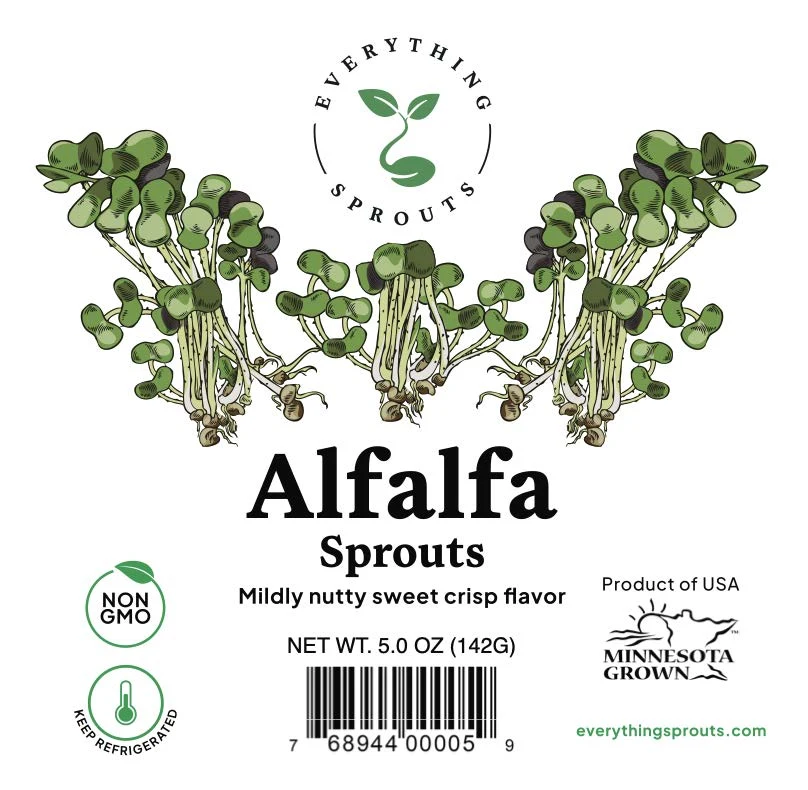
Alfalfa Sprouts E. coli and Salmonella Lawyer
Alfalfa sprouts, including recalled Calco and Everything Sprouts products
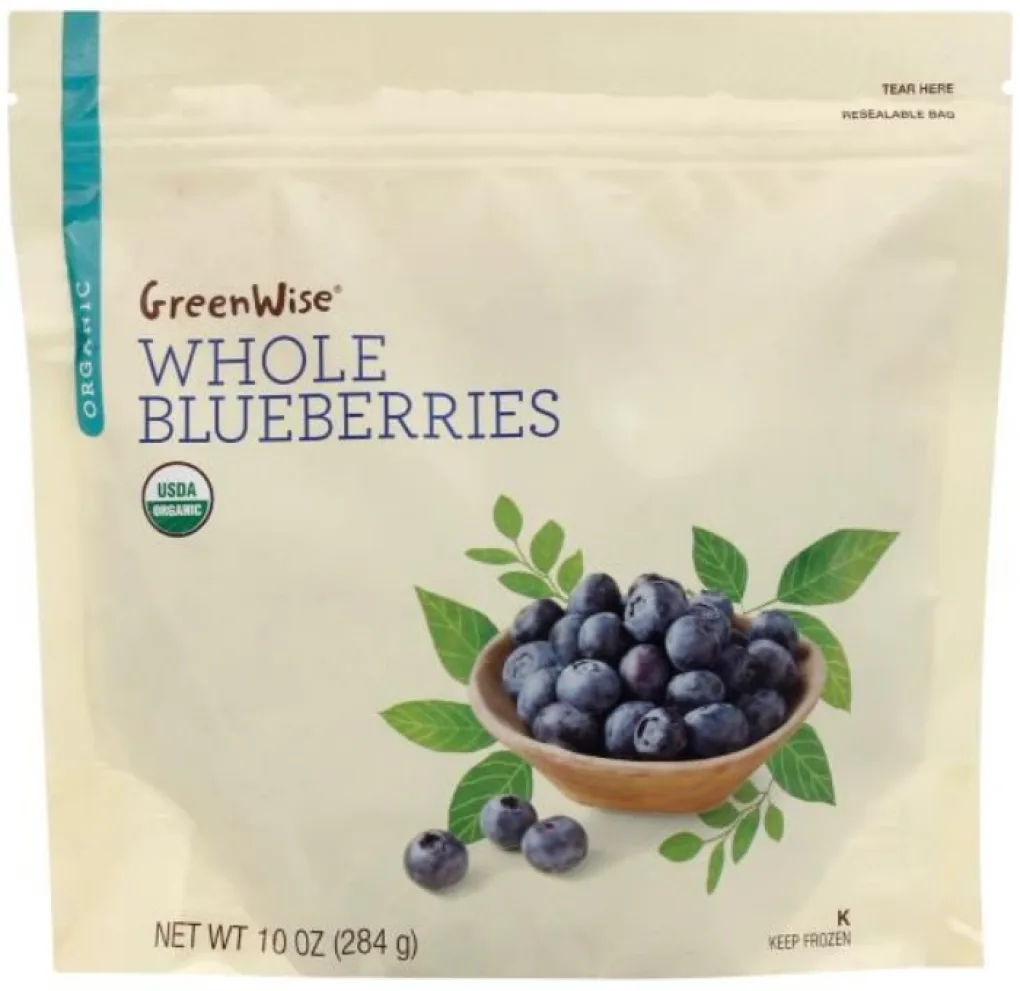
Publix GreenWise Blueberries E. coli Lawyer
Publix GreenWise Blueberries

The Kebab Shop E. coli Lawyer
The Kebab Shop Beef Kofta
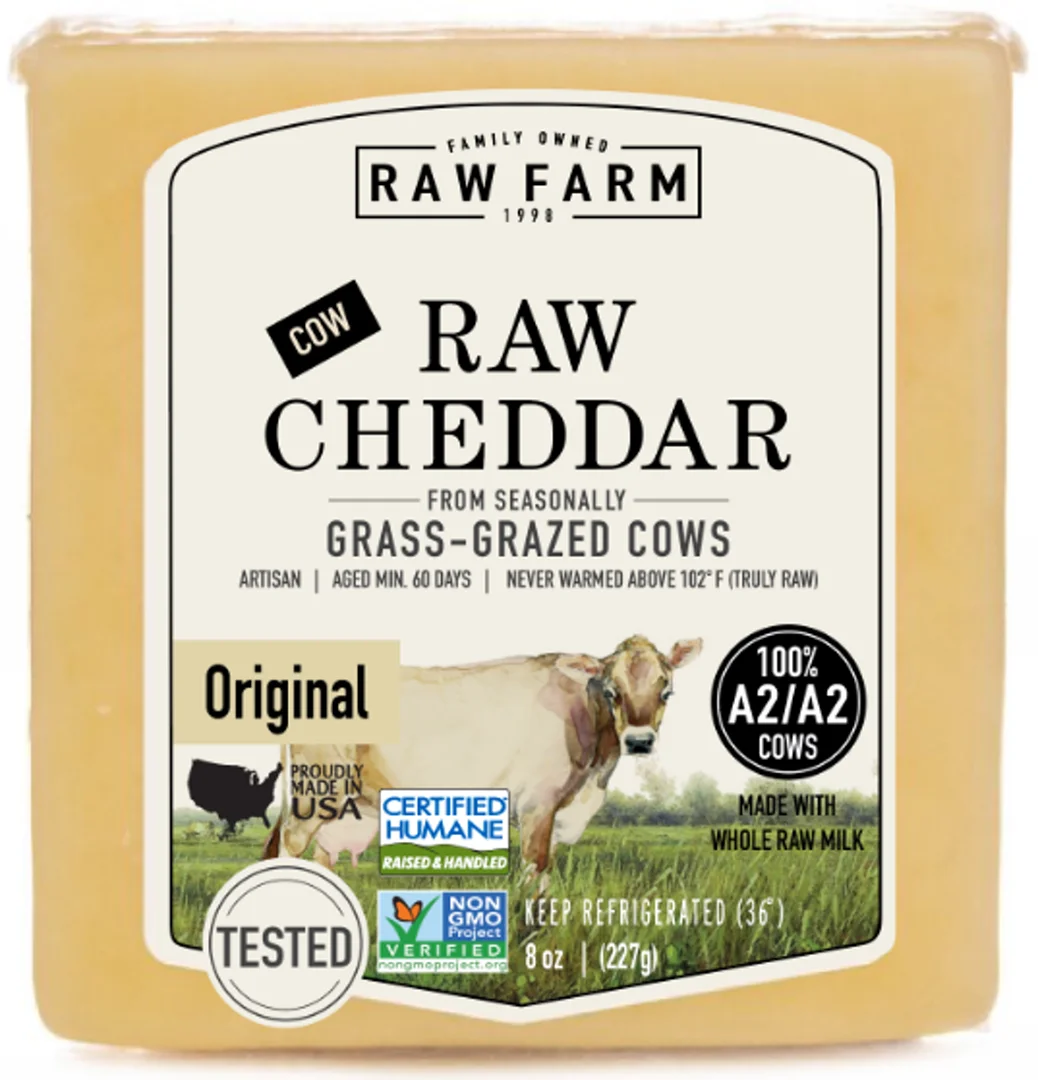
Raw Farm Cheddar Cheese E. coli Lawyer
Raw Farm Raw Cheddar Cheese
Were You Exposed to E. coli?
Get a free case evaluation today. No fees unless we win.
Common Questions
E. coli Lawsuit & Settlement FAQ
Answers to common questions about E. coli food poisoning lawsuits, what your case may be worth, and how the legal process works.
Sources & Citations
Information on this page is compiled from the following authoritative sources:
Government Sources
- Treatment of E. coli Infection
Centers for Disease Control and Prevention
- About Escherichia coli Infection
Centers for Disease Control and Prevention
- Signs and Symptoms of Hemolytic Uremic Syndrome (HUS)
Centers for Disease Control and Prevention
- People at Risk for E. coli Infection
Centers for Disease Control and Prevention
- E. coli Fact Sheet
World Health Organization
- Escherichia coli (E. coli) — Food Safety
U.S. Food and Drug Administration
- Foodborne Illness Acquired in the United States: Major Pathogens, 2019
Emerging Infectious Diseases (2025)
- Whole Genome Sequencing and Foodborne Disease Surveillance
Centers for Disease Control and Prevention
Medical Sources
- E. coli Infection — Symptoms and Causes
Mayo Clinic
- Shiga Toxin–Producing E. coli and the Hemolytic–Uremic Syndrome
New England Journal of Medicine
- Outcome 10 Years After STEC-Associated Hemolytic Uremic Syndrome
Pediatric Nephrology (2024)
This content is provided for informational purposes only and does not constitute legal advice. Information is current as of the date accessed. For the most up-to-date outbreak information, please consult official CDC and FDA websites.
Affected by E. coli?We Can Help.
Tell our E. coli attorneys what happened and ask whether you may have a claim. Your case review is free, and you don't need every answer before contacting us.